

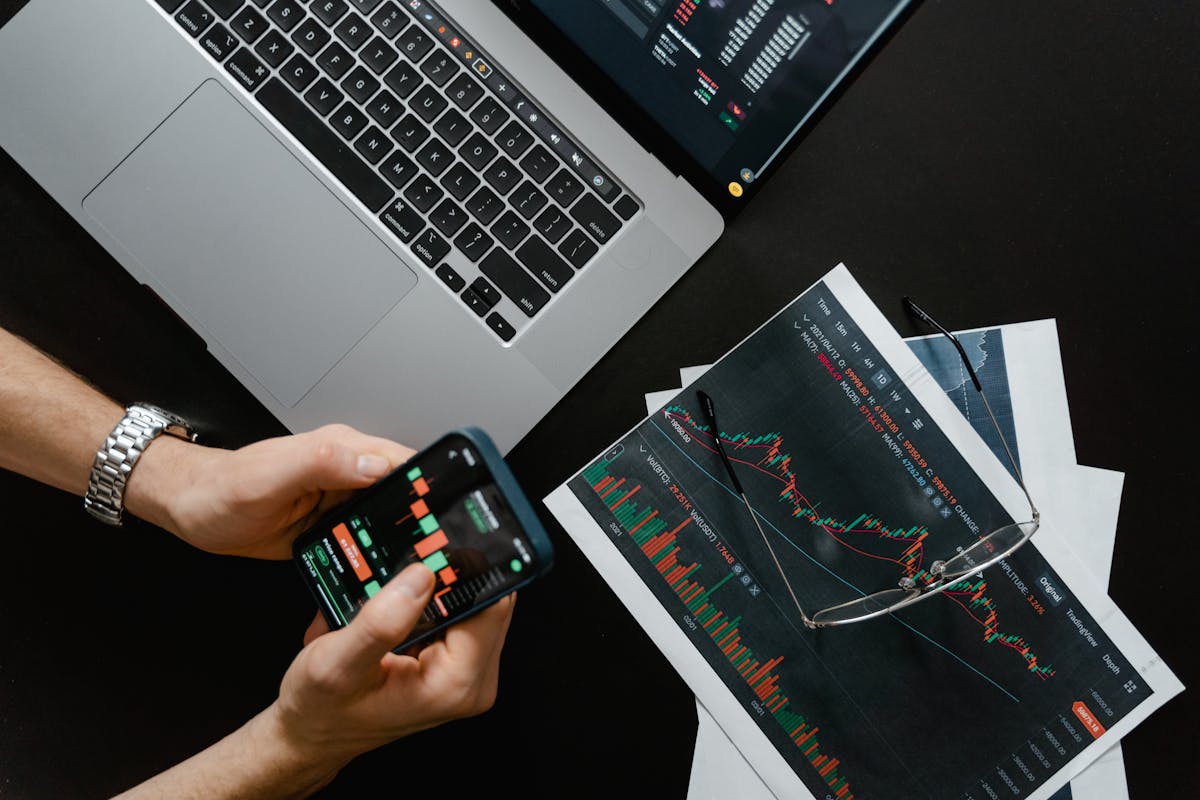

Should you buy crypto outright or trade contracts that bet on its price? That single decision shapes your risk, your potential returns, and how quickly you can lose money. Understanding spot vs futures crypto trading is essential before you place a single order, because the two markets reward and punish in completely different ways. This guide breaks down how each works, the real differences in risk and cost, and which approach fits your goals.
What Is Spot Trading?
Spot trading means buying or selling an asset for immediate delivery at the current market price — the “spot” price. When you buy 1 ETH on a spot exchange, you own that ETH outright. You can withdraw it, hold it indefinitely, or sell it whenever you choose.
Spot is the simplest and most intuitive way to trade. Your maximum loss is limited to what you invested, and there’s no risk of liquidation or expiry.
- Ownership: you hold the actual asset.
- Risk ceiling: losses capped at your invested amount.
- No expiry: hold as long as you want.
What Is Futures Trading?
Futures are contracts to buy or sell an asset at a set price on a future date. In crypto, most futures are perpetual contracts — they never expire and use a funding rate to stay tethered to the spot price. You don’t own the underlying asset; you hold a position that profits or loses as price moves.
The defining feature of futures is leverage, which lets you control a large position with a small amount of capital. This magnifies both gains and losses.
How Leverage Works
With 10x leverage, $1,000 controls a $10,000 position. A 10% favorable move doubles your money; a 10% adverse move wipes it out entirely through liquidation. Leverage is the single biggest reason inexperienced futures traders lose capital fast.
Spot vs Futures: The Key Differences
- Ownership: spot gives you the asset; futures give you a price exposure contract.
- Leverage: spot is typically unleveraged; futures commonly offer 5x–125x.
- Direction: spot profits only when price rises (long); futures let you profit from both rising and falling prices.
- Liquidation: spot has none; futures can liquidate your position if price moves against you.
- Costs: spot has trading fees; futures add funding rates paid between longs and shorts.
Understanding Funding Rates
Perpetual futures use funding rates to keep contract prices aligned with spot. When the market is heavily long, longs pay shorts; when heavily short, shorts pay longs. These payments occur several times a day and can quietly erode profits on positions held for extended periods.
Which Should You Choose?
Spot Is Better For
- Beginners learning market behavior.
- Long-term investors who want to hold assets.
- Anyone prioritizing capital preservation over rapid gains.
Futures Is Better For
- Experienced traders comfortable with leverage and risk.
- Hedging an existing spot portfolio against downside.
- Short-term traders seeking to profit in both directions.
A common professional approach is to build a core spot holding for the long term while using small, carefully sized futures positions for tactical trades or hedging.
Risk Management for Both Markets
Regardless of which you choose, disciplined risk control is non-negotiable:
- Use stop-losses on every futures position.
- Keep leverage low (2–3x) until consistently profitable.
- Never risk more than 1–2% of your account on a single trade.
- Understand your liquidation price before entering.
関連文献: Learn more about how leverage and margin work. For authoritative background, see ESMA investor protection guidance.
よくある質問
Is spot trading safer than futures?
Yes. Spot trading has no leverage or liquidation risk, so your maximum loss is limited to your investment. Futures, with leverage, can lose your entire margin quickly.
Can you lose more than you invest in futures?
On most regulated platforms, liquidation closes your position before your balance goes negative. However, in fast markets you can lose your entire margin almost instantly.
What is a perpetual futures contract?
A perpetual contract is a futures contract with no expiry date. It uses a funding rate mechanism to keep its price closely aligned with the underlying spot price.
Should beginners trade futures?
Generally no. Beginners should master spot trading first. Futures require a solid understanding of leverage, liquidation, and disciplined risk management.
What are funding rates?
Funding rates are periodic payments exchanged between long and short traders in perpetual futures to keep contract prices anchored to the spot market.
結論
The choice in spot vs futures crypto trading comes down to your experience, goals, and risk tolerance. Spot rewards patience and ownership; futures reward skill and discipline while punishing carelessness severely. Most traders are best served starting with spot and only graduating to futures once they’ve mastered the fundamentals. Whichever you choose, pair it with the crypto risk management strategies that keep your capital intact.
Disclaimer: This article is for informational and educational purposes only and does not constitute investment, financial, or trading advice. Leveraged trading carries a high risk of rapid capital loss. Always do your own research and consult a qualified financial professional before trading.

 English
  Italian
  German
  Polish
  French
  German (Switzerland)
  Croatian
  Czech
Czech  Spanish
  Swedish
  Portuguese (Portugal)
  Portuguese (Brazil)
  Japanese
  Thai
Thai  Danish