

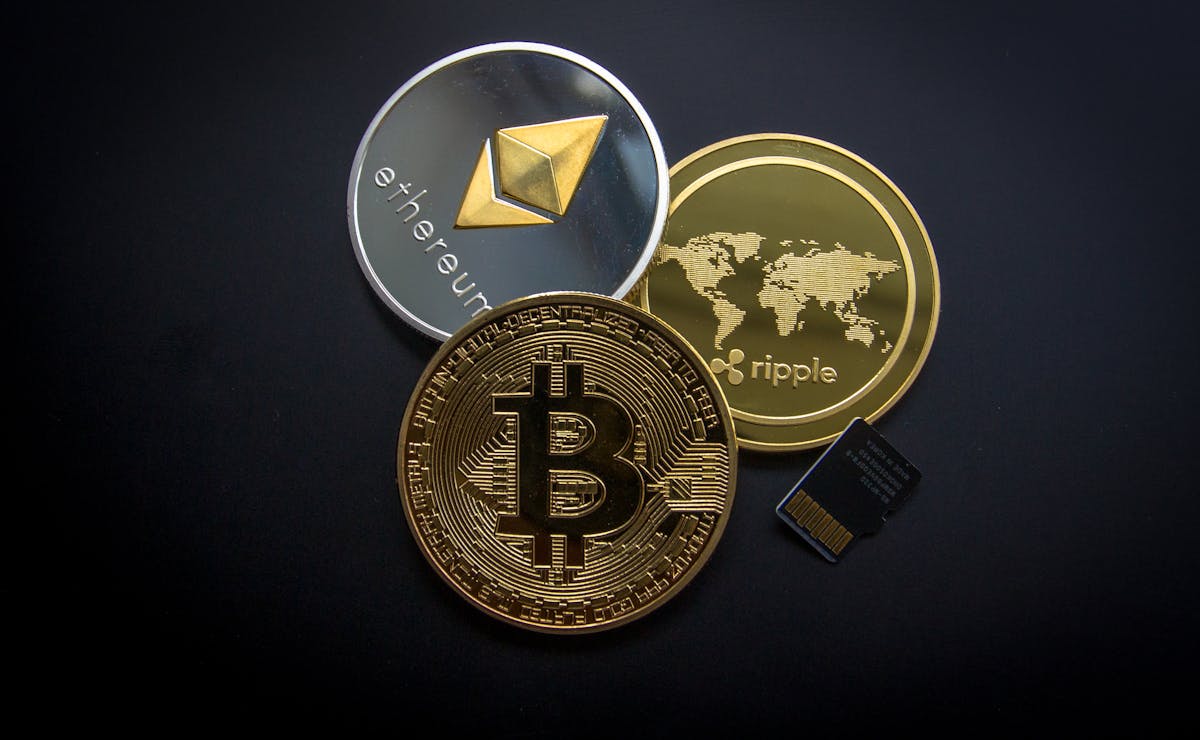

Not your keys, not your coins. It is the oldest warning in crypto, and it comes down to one decision: where you store your private keys. The choice between a hot vs cold crypto wallet determines how safe your assets are from hackers, how easily you can trade, and how much you stand to lose if something goes wrong. This guide breaks down exactly how each wallet type works, their real-world trade-offs, and how serious holders combine both.
What Is a Crypto Wallet, Really?
A crypto wallet does not actually “store” your coins. Your coins live on the blockchain. What a wallet stores is your private keys — the cryptographic credentials that prove ownership and let you move funds. Whoever controls the keys controls the crypto.
This distinction matters because the security of your assets is really the security of your keys. Hot and cold wallets simply represent two different philosophies for protecting them.
What Is a Hot Wallet?
A hot wallet is any wallet connected to the internet. This includes mobile apps, browser extensions, desktop software, and the wallets built into exchanges.
- Always online: ready to send, receive, and trade instantly.
- Free and convenient: easy to set up in minutes.
- Higher attack surface: internet connectivity exposes keys to remote threats.
Popular examples include mobile wallets and browser extension wallets used to interact with DeFi and NFTs.
What Is a Cold Wallet?
A cold wallet keeps your private keys completely offline. The most common form is a hardware wallet — a physical device that signs transactions without ever exposing the keys to an internet-connected computer.
- Offline storage: keys never touch the internet.
- Strong against remote hacks: attackers cannot reach what is not online.
- Less convenient: you need the physical device to transact.
Paper wallets and air-gapped devices are other forms of cold storage, though hardware wallets are the practical standard.
Hot vs Cold Wallet: The Key Differences
- Security: cold wallets are far safer from remote attacks; hot wallets are more exposed.
- Convenience: hot wallets enable instant access; cold wallets require extra steps.
- Cost: hot wallets are typically free; hardware wallets cost money upfront.
- Use case: hot for active trading and small amounts; cold for long-term savings.
- Physical risk: cold wallets can be lost or damaged, so backups matter.
The Biggest Threats to Each
Hot Wallet Threats
- Phishing sites that trick you into approving malicious transactions.
- Malware that steals seed phrases stored on your device.
- Exchange hacks if you keep funds on a platform wallet.
Cold Wallet Threats
- Physical loss, theft, or damage to the device.
- Losing your recovery seed phrase, which makes funds unrecoverable.
- Buying a tampered device from an unofficial reseller.
The Smart Approach: Use Both
Experienced holders rarely choose one or the other. The practical model mirrors how you handle cash:
- Hot wallet = your spending wallet: keep a small amount for trading, DeFi, and daily use.
- Cold wallet = your savings vault: store the majority of your holdings offline for the long term.
This way, a compromised hot wallet only risks a small slice of your portfolio, while the bulk stays protected.
Protecting Your Seed Phrase
Whichever wallet you use, your recovery seed phrase is the master key. Protect it rigorously:
- Write it on paper or steel, never store it digitally.
- Never type it into a website or share it with anyone.
- Keep backups in separate secure locations.
- Treat anyone asking for it as a scammer, without exception.
Relaterad läsning: Learn more about stablecoin risks. For authoritative background, see how to protect your investments (Investor.gov).
Vanliga frågor
Is a cold wallet safer than a hot wallet?
Yes, for protection against remote hacks. Because cold wallets keep keys offline, they cannot be reached by online attackers, making them safer for storing large amounts long term.
Can a hardware wallet be hacked?
Remote hacking is extremely difficult, but physical theft, a lost seed phrase, or a tampered device can still result in loss. Buy only from official sources.
Do I need a cold wallet for small amounts?
Not necessarily. For small, actively traded amounts, a reputable hot wallet is usually sufficient. Cold storage becomes important as your holdings grow.
What happens if I lose my hardware wallet?
You can restore your funds on a new device using your recovery seed phrase. This is why protecting and backing up that phrase is essential.
Are exchange wallets hot or cold?
Exchange wallets are hot wallets, and you do not control the private keys. For long-term holdings, moving funds to your own cold wallet is generally safer.
Slutsats
The hot vs cold crypto wallet debate is not about which is universally better, but about matching the tool to the job. Use a hot wallet for convenience and small amounts, and a cold wallet to protect your long-term savings. Above all, guard your seed phrase like the master key it is. To keep your overall strategy disciplined, pair good storage with sound crypto risk management strategies.
Disclaimer: This article is for informational and educational purposes only and does not constitute investment, financial, or security advice. Always do your own research and follow best security practices to protect your assets.

 English
  Italian
  German
  Polish
  French
  German (Switzerland)
  Croatian
  Czech
Czech  Spanish
  Swedish
  Portuguese (Portugal)
  Portuguese (Brazil)
  Japanese
  Thai
Thai  Danish