

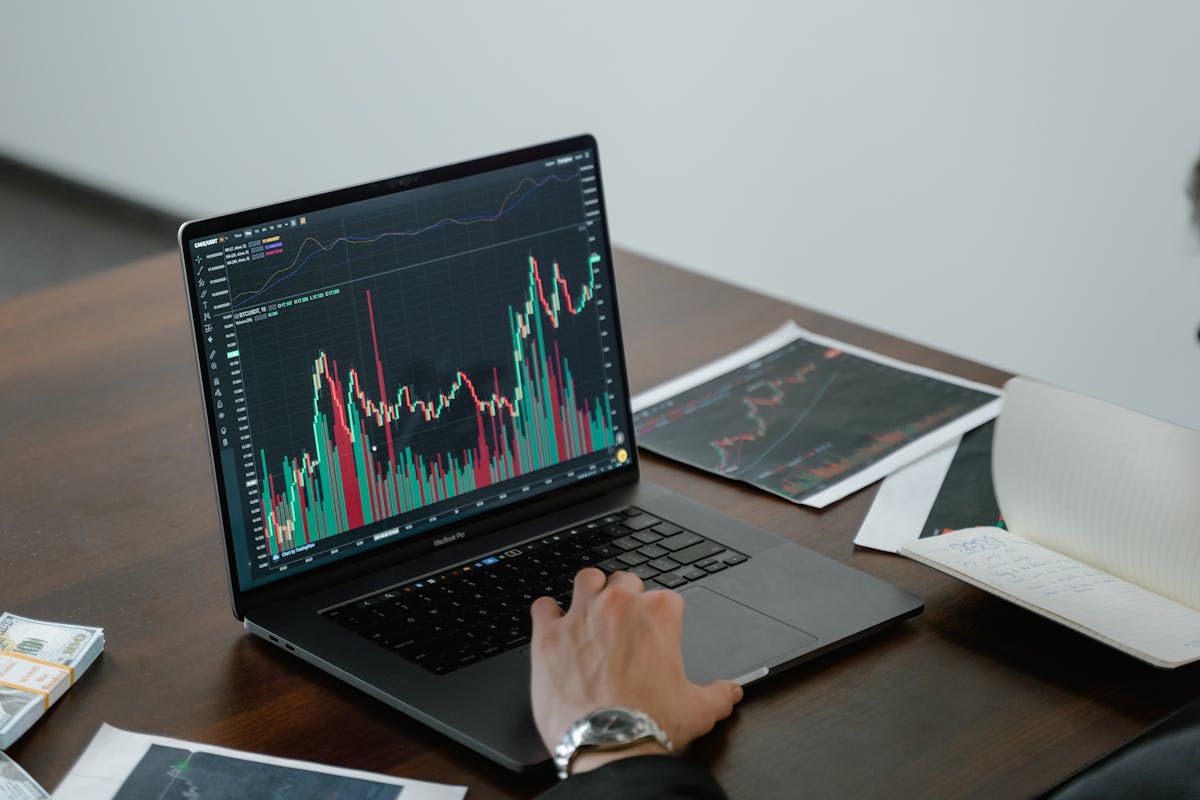

You see a token up 300% and rush to buy, only to watch your order push the price up 15% before it even fills. Then you cannot sell without crashing it. Welcome to the brutal lesson of low liquidity. Having market liquidity explained clearly is essential because liquidity quietly determines whether you can actually enter and exit trades at fair prices. This guide covers what liquidity is, how to measure it, and why ignoring it is one of the costliest mistakes traders make.
What Is Market Liquidity?
Market liquidity is how easily an asset can be bought or sold without significantly affecting its price. A liquid market has many buyers and sellers, so trades execute quickly at stable prices.
Cash is the most liquid asset of all. A rare collectible is highly illiquid — valuable, but hard to sell quickly at full price. Crypto assets fall all along this spectrum.
Why Liquidity Matters So Much
- Fair pricing: liquid markets reflect true supply and demand.
- Easy entry and exit: you can trade large amounts without major price impact.
- Lower costs: tight spreads mean cheaper trades.
- Stability: liquid assets are less prone to violent, manipulated swings.
In illiquid markets, the opposite is true, and that is where traders get trapped.
How to Measure Liquidity
1. Trading Volume
Volume is the total amount of an asset traded over a period. High daily volume signals an active, liquid market. Suspiciously low volume warns that you may struggle to exit.
2. Bid-Ask Spread
The spread between the best buy and sell price is a direct liquidity gauge. A tight spread indicates strong liquidity; a wide spread reveals a thin market.
3. Market Depth
Depth shows how many orders sit at each price level. Deep books absorb large orders with minimal price movement, a hallmark of liquidity.
The Dangers of Low Liquidity
- Slippage: your order fills at progressively worse prices, costing you more than expected.
- Manipulation: thin markets are easy to pump and dump.
- Inability to exit: you may be unable to sell at a reasonable price during a crash.
- Volatile swings: small orders can cause outsized price moves.
Many investors have watched a paper gain evaporate because they could not actually sell without collapsing the price.
Liquidity in Different Markets
- Major cryptocurrencies: Bitcoin and Ethereum are highly liquid with tight spreads.
- Mid-cap tokens: moderate liquidity, manageable for most retail sizes.
- Micro-cap and new tokens: often dangerously illiquid, with high slippage and manipulation risk.
Liquidity in DeFi
In decentralized finance, liquidity is provided by users who deposit assets into liquidity pools rather than by traditional order books. These pools enable automated trading, and their size directly affects how much slippage a trade incurs. Larger pools mean smoother, cheaper trades.
How to Trade With Liquidity in Mind
- Check daily volume before trading any asset.
- Favor limit orders in thin markets to control your price.
- Size positions relative to available liquidity, not just your account.
- Be extra cautious with low-cap tokens, especially when exiting.
Relaterad läsning: Learn more about reading an order book. For authoritative background, see how stock markets work (Investor.gov).
Vanliga frågor
What is market liquidity in simple terms?
Market liquidity is how easily you can buy or sell an asset without moving its price much. High liquidity means many buyers and sellers and stable prices.
Why is low liquidity dangerous?
Low liquidity causes high slippage, makes manipulation easier, and can leave you unable to sell at a fair price, especially during sharp market declines.
How do you measure liquidity?
Key measures include trading volume, the bid-ask spread, and market depth. High volume, tight spreads, and deep order books all indicate strong liquidity.
What is slippage?
Slippage is the difference between the expected and actual execution price of a trade. It worsens in illiquid markets where orders move the price as they fill.
What is a liquidity pool in DeFi?
A liquidity pool is a collection of funds deposited by users to enable automated trading on a decentralized exchange. Larger pools reduce slippage for traders.
Slutsats
With market liquidity explained, you can avoid the trap that catches so many traders: buying assets you cannot sell at a fair price. Always check volume, spread, and depth before committing, and respect liquidity when sizing your trades. To see liquidity dynamics in action, read our analysis of DeFi lending rates and leverage demand.
Disclaimer: This article is for informational and educational purposes only and does not constitute investment or trading advice. Always do your own research and trade responsibly.

 English
  Italian
  German
  Polish
  French
  German (Switzerland)
  Croatian
  Czech
Czech  Spanish
  Swedish
  Portuguese (Portugal)
  Portuguese (Brazil)
  Japanese
  Thai
Thai  Danish